Universitas ScholariumLiving Exhibition · Demo
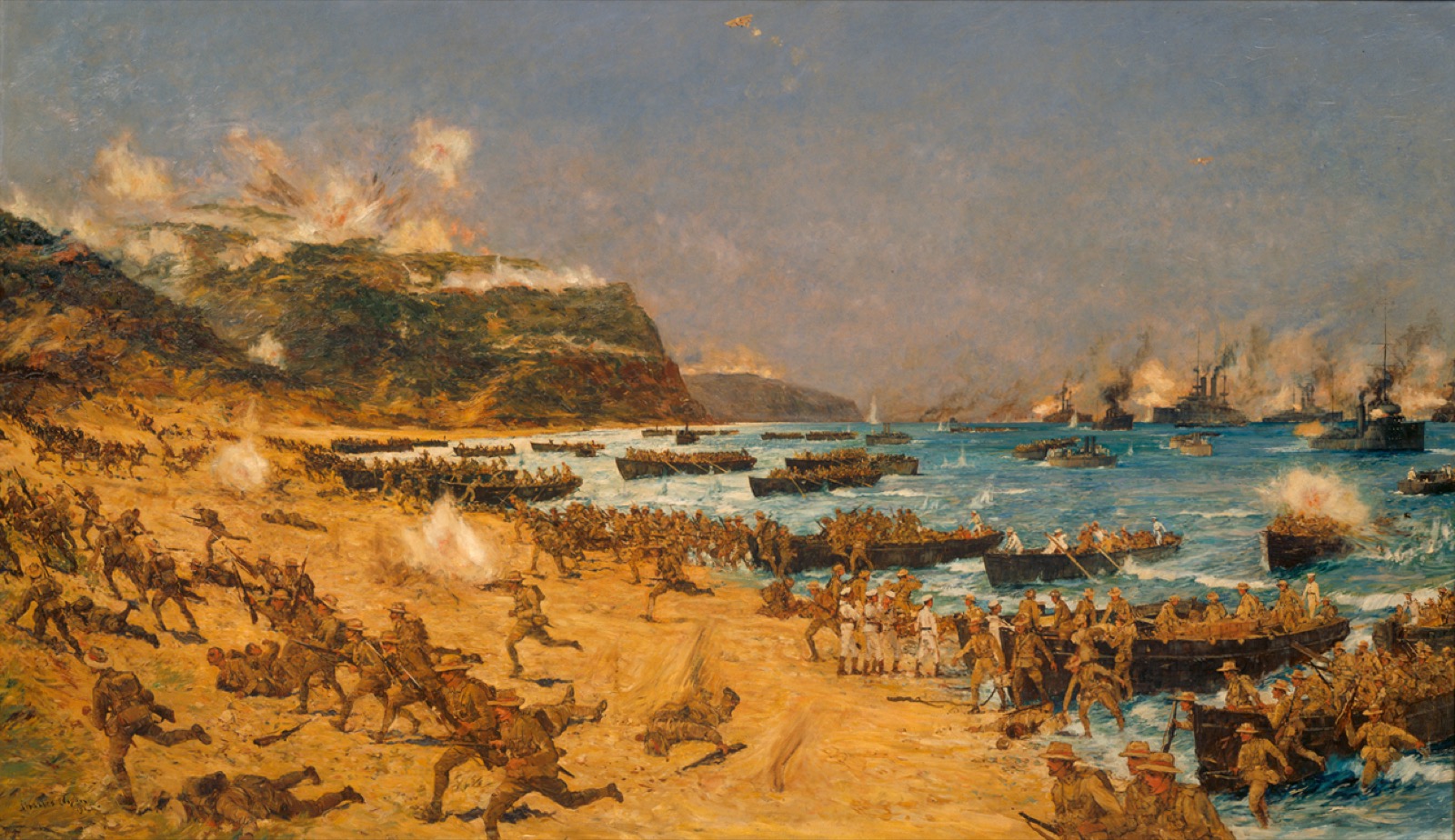
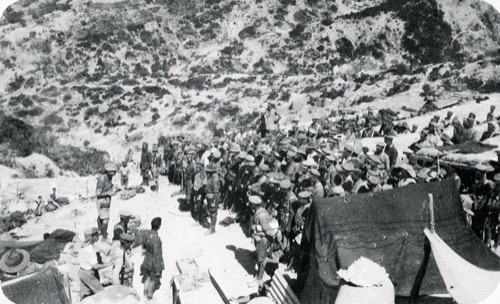
The Landing at Gallipoli, 1915

Gallipoli: The Scale of Our War

A Living Exhibition · Talk to the people who were there

Te Papa's exhibition tells the story of the Gallipoli campaign through the eyes of eight ordinary New Zealanders who found themselves in extraordinary circumstances. Wētā Workshop gave them bodies at 2.4 times life size. The Universitas Scholarium has given them voices.

Each figure below is a simulacrum — a cognitive reconstruction drawing on their letters, diaries, service records, and the world they inhabited.

A conversation with the farmer from Waikato sounds nothing like a conversation with the classical scholar from Canterbury, because they are different minds shaped by different lives.

Select a figure to begin a conversation. Ask them about the landing, the trenches, the people they served with, or the life they left behind.
This demonstration is inspired by Gallipoli: The Scale of Our War at Te Papa Tongarewa, created by Te Papa with Wētā Workshop. Not affiliated with Te Papa. Exhibition content © Museum of New Zealand Te Papa Tongarewa.

The Eight

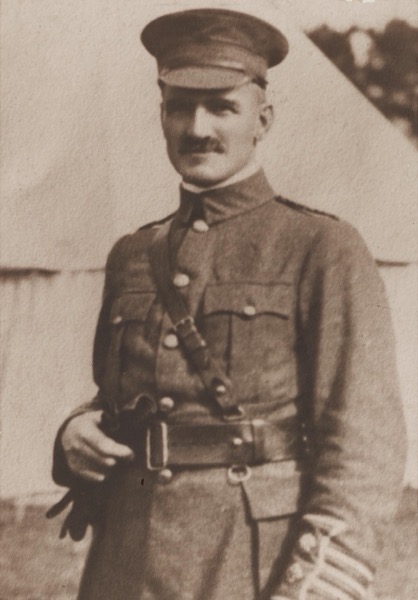
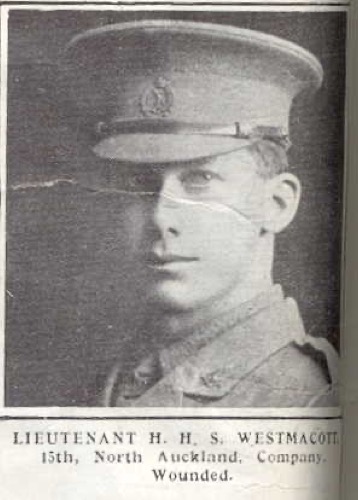
Spencer Westmacott
Spencer Westmacott
Lieutenant · Auckland Infantry
Farmer from Waikato. One of the first New Zealanders ashore on 25 April 1915. Lost his right arm to a Turkish bullet on the first day.
Talk to
Spencer
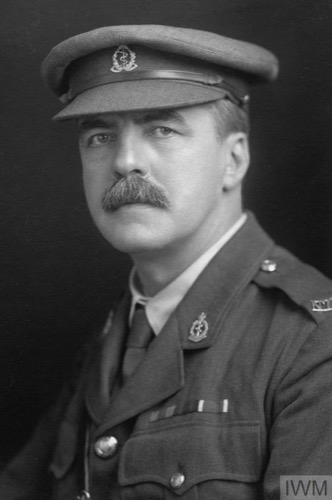
Percival Fenwick
Percival Fenwick
Lieutenant Colonel · Surgeon
Operated on the wounded at Anzac Cove with inadequate supplies. Wrote that the beach should be called 'Bloody Beach Bay'.
Talk to
Percival
William Malone
William Malone
Lieutenant Colonel · Wellington Battalion
Turned frightened young men into a disciplined force. Fortified Quinn's Post. Killed leading the assault on Chunuk Bair.
Talk to
William
Jack Dunn
Jack Dunn
Private
Sentenced to death for falling asleep on sentry duty at Quinn's Post. Exhaustion, terror, and the machinery of military justice.
Talk to
Jack
Hāmi Grace
Hāmi Grace
Second Lieutenant · Māori Contingent
Māori officer at Chunuk Bair. Navigated the tensions of fighting for an empire that had colonised his own people.
Talk to
Hāmi
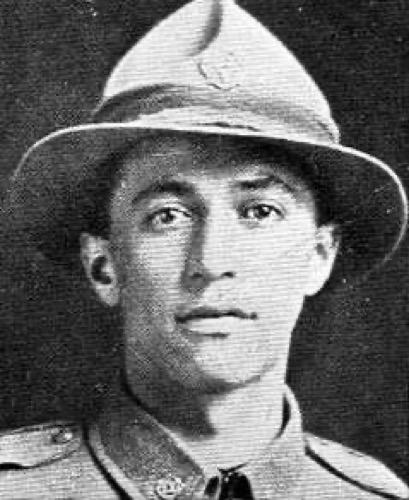
Rikihana Carkeek
Rikihana Carkeek
Private · Māori Contingent
Machine-gunner. His diary records the campaign in te reo Māori and English — a bilingual witness to war.
Talk to
Rikihana
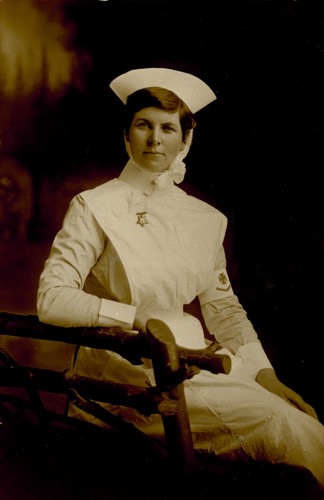
Lottie Le Gallais
Lottie Le Gallais
Staff Nurse
Volunteered to nurse near her brother. Learned her sweetheart had been killed when her letters came back stamped 'KILLED RETURN TO SENDER'.
Talk to
Lottie
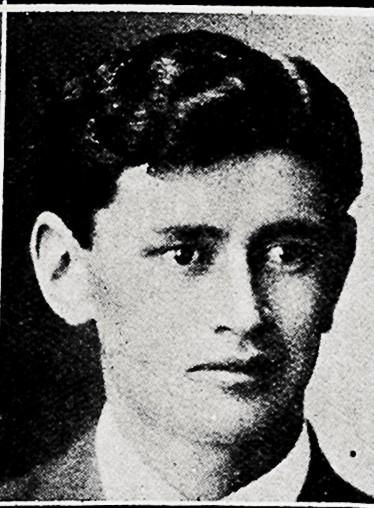
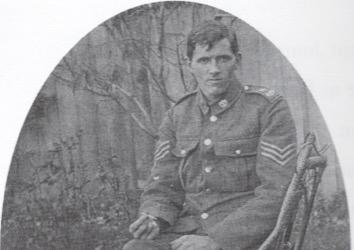
Cecil Malthus
Cecil Malthus
Sergeant · Canterbury
Classical scholar and writer. Survived Gallipoli and the Western Front. His letters are among the most eloquent accounts of the campaign.
Talk to
Cecil

Beyond the Exhibition

The exhibition tells the story from the ground. These figures provide the strategic context — the decisions that sent those eight New Zealanders to Gallipoli, and the perspectives the exhibition cannot show.
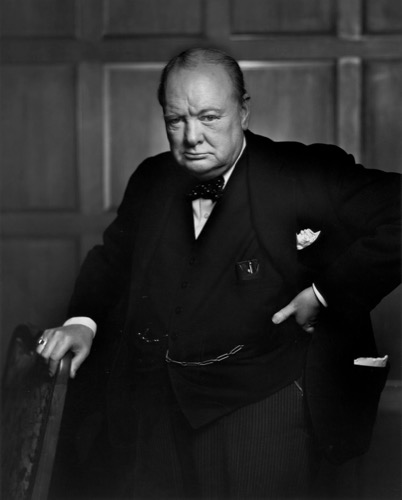
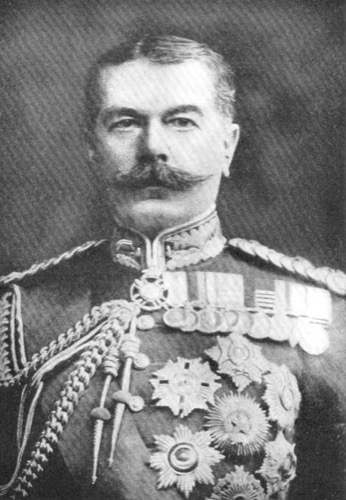
Winston Churchill
Winston Churchill
First Lord of the Admiralty
Architect of the Dardanelles strategy. The man who decided Gallipoli should happen.
Converse with
Churchill
Lord Kitchener
Lord Kitchener
Secretary of State for War
Imperial strategy, recruitment, and the decision to commit colonial forces to the peninsula.
Converse with
Kitchener
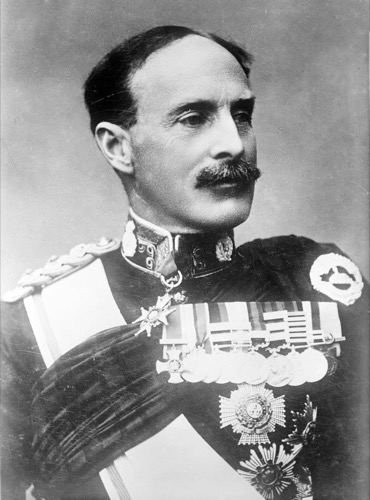
Sir Ian Hamilton
Sir Ian Hamilton
MEF Commander
Commanded the Allied forces at Gallipoli. The operational failures and the view from headquarters.
Converse with
Hamilton
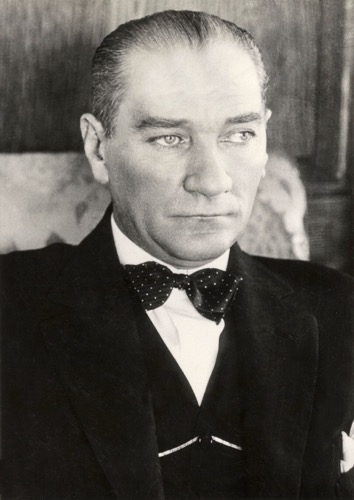
Mustafa Kemal
Mustafa Kemal
Ottoman Commander
Defended Gallipoli. Later founded modern Turkey. 'I don't order you to fight. I order you to die.'
Converse with
Kemal