 Universitas ScholariumLiving Exhibition · DemoUniversitas ScholariumLiving Exhibition · Demo
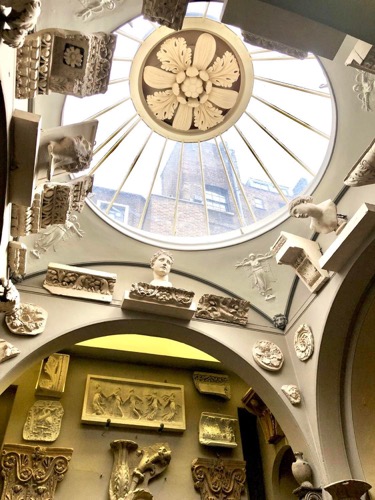
Among the world's great small museums, Sir John Soane's at 13 Lincoln's Inn Fields holds a singular place, for it is not merely a collection housed within a building but a building that is itself a work of architecture, filled with paintings, antiquities, architectural models, and the extraordinary alabaster sarcophagus of Pharaoh Seti I, all preserved exactly as Soane left them when he bequeathed the house and its contents to the nation in 1837, stipulating that nothing should ever be changed.
A living exhibition gives voices to such a collection. Each figure below is a simulacrum, a cognitive reconstruction drawn from the historical record, from letters, diaries, published works, architectural drawings, and the objects themselves, capable of sustaining the kind of conversation one might have had with the person, or indeed the object, in question.
Select a figure to begin a conversation.
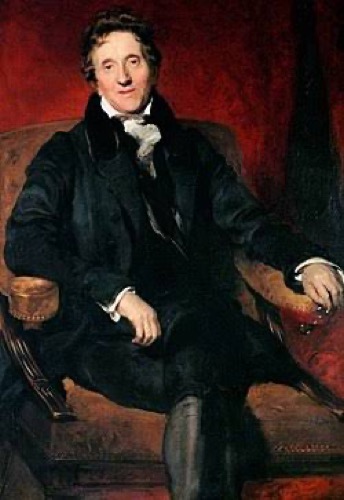
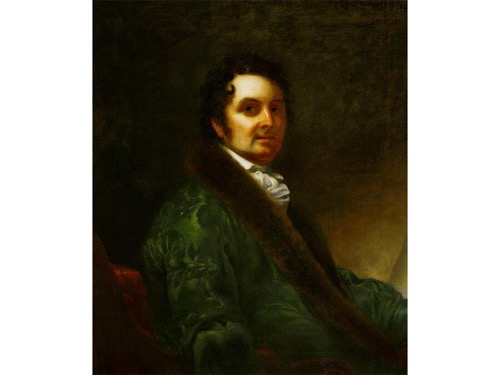
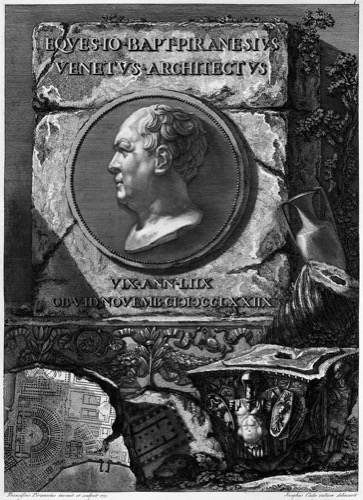
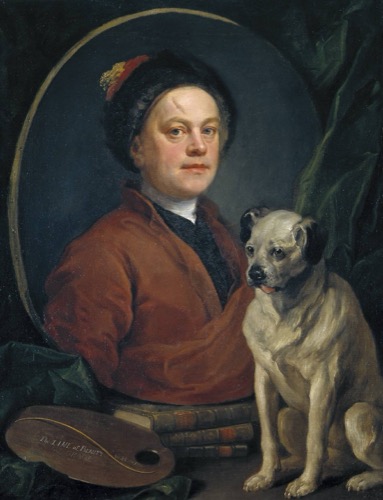
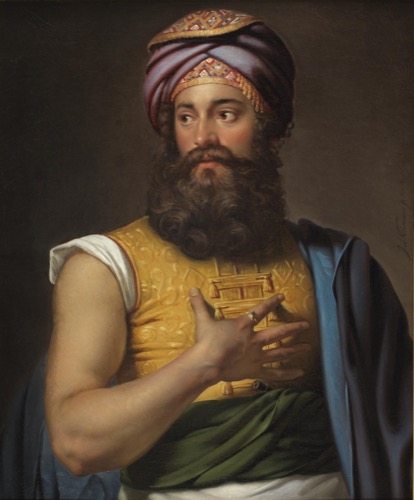
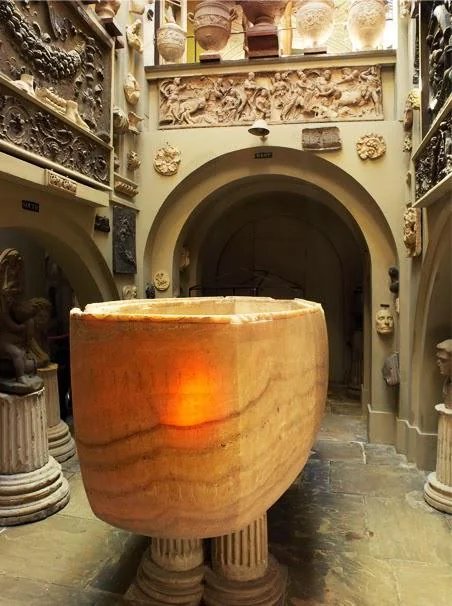
This is a technology demonstration by Universitas Scholarium, conceived to show how simulacra might extend museum collections into conversational experiences, each simulacrum being a cognitive reconstruction shaped by the same materials that shaped the original mind.
Gandy does not think as Piranesi thinks, because they were different men who saw architecture differently, and the sarcophagus does not think as Belzoni thinks, because the one is a vessel three thousand years old and the other a nineteenth-century adventurer.
The real Sir John Soane's Museum is at 13 Lincoln's Inn Fields, London. Admission is free. Visit it.